Why Build Sustainably?

A Friendly Guide for 2026 from Simon Mack Architecture

If you’re dreaming of building your own home, you probably have visions of light-filled rooms, efficient layouts, and a place that simply feels right. But there’s another question worth asking yourself right at the very start:
Why build sustainably?
It’s a great question, and an important one. Construction and buildings make up a surprisingly large chunk of global emissions and resource use. That impact isn’t just from the building stage, either. Homes continue to consume energy and resources for decades after they’re built. So choosing to build sustainably isn’t a niche or trendy idea anymore, it’s simply smart, both for your home and the planet. Let’s break it down. Building sustainably can:
Reduce Environmental Impact
A well‑designed sustainable home uses fewer raw materials and produces less pollution and waste. This helps reduce our contribution to climate change and the ongoing decline of ecosystems.
Cut Waste
Sustainable design encourages re‑use, thoughtful planning, and efficient building methods, meaning fewer offcuts in a skip and more value in your home.
Lower Long‑Term Costs
Sustainable homes have lower running expenses. Better insulation, efficient systems, and optimised design mean you’re spending far less on heating, cooling, and lighting.
Lower Maintenance
Materials chosen for their durability often save you from the recurring repair-and-replace cycle many homes fall into.
Improve Indoor Air Quality and Health
Better airflow, non-toxic materials, and superior insulation mean fewer draughts, fewer pollutants, and fewer health issues caused by poor indoor environments.
In short, building sustainably isn’t just “nice to have.” It’s practical, economical, and better for your wellbeing.
It is also important to understand What Sustainable Building Actually Means. When we talk about sustainability, it’s easy to jump straight to “energy efficiency,” and while insulation and solar panels definitely play a part, sustainability is actually a much broader framework. It includes environmental factors, social wellbeing, economic affordability, and even how your home fits into its location.
Here’s a guide to the key pillars of sustainability you’ll want to consider when planning your home.
1. Environmental Sustainability
Reducing your home’s impact on the natural world. Environmental sustainability considers everything from the materials you choose to the energy you use over the life of the building. It’s about making the planet‑friendly choice and often the practical choice too. We consider:

Energy Efficiency
Think: high insulation levels, airtight construction, solar control, and efficient heating/cooling systems such as air source or ground source heat pumps.
Low‑Carbon Materials Options include:
Sustainably sourced timber
Recycled steel
Porotherm clay blocks
Lime plasters
Alternative low‑carbon cement products
These all help reduce the carbon footprint of the build.
Embodied Carbon
This measures the total carbon involved from manufacturing to transport to construction.
Operational Carbon
This is the energy your home uses every day; heating, cooling, lighting, appliances. A truly sustainable home reduces both embodied and operational carbon.
Water Efficiency
With options like rainwater harvesting, low-flow taps, and greywater systems, you can halve your household water use.
Waste Reduction
Prefabrication and modular construction reduce waste dramatically, and recycling materials onsite helps too.
Biodiversity Protection
Green roofs, wildlife-friendly planting, and careful site planning help preserve and enhance nature on your plot. This is especially important in Buckinghamshire and Oxfordshire, where many plots border ancient woodland, the Chilterns AONB, or designated conservation areas.
2. Economic Sustainability
Ensuring your home stays affordable over its entire lifetime. Economic sustainability looks beyond the build cost and considers what the home will cost you to run, maintain, and adapt over its lifetime.
Lifetime Cost Saving
Energy-efficient homes simply cost less to run.
Durability
Choosing materials like clay blocks or high-quality timber means fewer repairs and replacements.
Low Maintenance
Options like durable cladding, robust windows, and strong roofing materials all reduce long-term upkeep.
Future-Proofing
EV charging, renewable energy systems, and smart home integrations save money later, and sometimes cost little to include during construction.
Resale Value
Sustainable, energy‑efficient homes hold their value exceptionally well, especially as buyers grow more eco‑savvy.
3. Social (Human) Sustainability
Making your home comfortable, healthy, and a joy to live in. This is all about you; your wellbeing, comfort, and day-to-day enjoyment of the home.
Indoor Air Quality
Choose non‑toxic materials and consider mechanical ventilation with heat recovery (MVHR). Your lungs will thank you. This is particularly important in Berkshire and Buckinghamshire homes near the M4, M40, or Heathrow flight paths, where outdoor air quality can be compromised.
Thermal Comfort
A well-designed home should feel warm in winter and cool in summer without dramatic temperature swings.
Natural Light
Window placement, glazing, and orientation all affect how uplifting and enjoyable the home feels.
Acoustic Comfort
Good sound insulation creates calm, peaceful spaces.
Accessibility
Designing for future mobility needs—like level access and wider doorways—saves future retrofitting.
Community Fit
Your home should complement its surroundings and enhance the neighbourhood—particularly important in Oxfordshire's conservation areas, the Chilterns AONB, and historic villages throughout Berkshire and Buckinghamshire.
4. Site and Location Sustainability
Working with the land, not against it. Before you even think about bricks or timber, start with the site. We consider:
Orientation and Solar Gain
A south-facing layout can maximise warmth in winter and reduce heating needs.
Transport and Connectivity
If your home is near services, transport, and walking routes, your carbon footprint automatically shrinks.
Flood Risk and Drainage
Sustainable Drainage Systems (SuDS), permeable surfaces, and strategic landscaping help protect your home from water damage. This is crucial in Thames Valley flood plains and areas near the River Thames, River Cherwell, or River Windrush. Many Oxfordshire planning applications now require SuDS as standard.
Microclimate
Think about wind, sun exposure, noise from the natural environment, not just the neighbours.
Local planning
Authorities such as South Oxfordshire, Vale of White Horse, Buckinghamshire Council and Royal Borough of Windsor and Maidenhead also put an emphasis on:
Heritage sensitivity in conservation areas
Chilterns AONB design guidelines
Green Belt considerations
5. Construction Process Sustainability
How your home is built matters just as much as what it’s made from. We consider:

Efficient Construction Systems
Timber frame, ICF, Porotherm, and modular systems often reduce waste and speed up the build.
Local Supply Chains
Choosing local can significantly cut transport emissions.
Responsible Contractors
Look for teams with strong environmental practices and waste management plans.
Worker Wellbeing
A sustainable home shouldn’t come at the cost of unsafe working conditions or unethical labour.
6. Circular Economy and End‑of‑Life Sustainability
Designing with the future in mind.
Homes don’t last forever, but parts of them can. We consider:
Design for Deconstruction
Choosing materials and methods that can be reused or recycled later.
Material Traceability
Knowing the lifecycle of your building materials helps reduce waste.
Adaptability
Flexible layouts mean the home can grow, shrink, or simply change function as your life evolves.
Case studies of Sustainable Construction Types
To make all this more tangible, here are two great construction systems that align beautifully with sustainable building principles.

1. Timber Frame Construction
Timber frame uses sustainably sourced wood to create a strong, structural framework. Often combined with high‑performance natural insulation, timber frame systems are among the lowest‑carbon construction options available.
Why It’s Sustainable:
Reduced Environmental Impact
Timber sequesters carbon naturally.
Produces much lower embodied carbon than masonry or concrete.
Cutting Waste
Off‑site prefabrication means precise cutting and minimal waste.
Offcuts can be reused or recycled.
Long-Term Cost Savings
Excellent thermal performance slashes heating bills.
Airtightness is easier to achieve, improving energy efficiency.
Lower Maintenance
High-quality timber and cladding last decades.
Repairs are simple and cost‑effective.
Better Air Quality
Natural materials help regulate humidity.
Timber frame walls can accommodate high‑performance insulation.
Best for: Eco homes, fast builds, and homes aiming for very high energy efficiency.
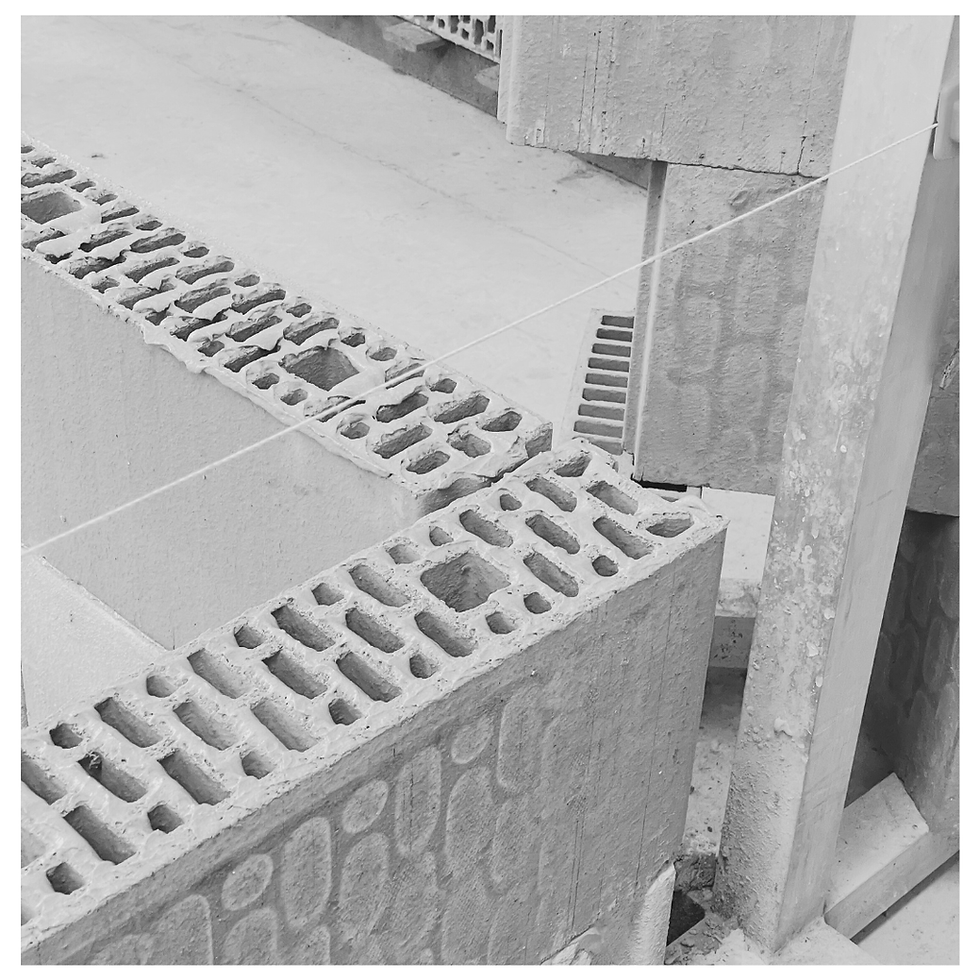
2. Porotherm Clay Block Construction
Porotherm blocks are lightweight, perforated clay units that create breathable, durable walls with great natural performance.
Why It’s Sustainable:
Reduced Environmental Impact
Made from natural clay and fully recyclable.
Lower embodied carbon than concrete blocks.
Cutting Waste
Precision blocks reduce the need for mortar.
Simple construction reduces wasted material.
Long-Term Cost Savings
Excellent thermal mass stabilises indoor temperatures.
Breathable walls mean less need for mechanical systems.
Lower Maintenance
Resistant to moisture, rot, and pests.
Highly durable structure.
Improved Air Quality & Comfort
Natural clay helps regulate humidity.
Provides good sound and thermal insulation.
Best for: Durable low‑energy homes, healthy living environments, and traditional‑style masonry builds.
What Do You Gain by Building Sustainably?
After absorbing all those considerations, you might be wondering: Is it worth it? Absolutely! Here’s what a sustainable home gives you.
Higher Property Value
Eco‑friendly homes are increasingly sought after. Buyers appreciate lower running costs and efficient design, meaning your investment grows over time.
Real Money Savings
You’ll save on:
Heating and cooling
Electricity
Water
Ongoing repairs
Replacement costs
Future energy upgrades
Think of it as future‑proofing your wallet as much as your home.
A Smaller Environmental Footprint
Your home will use fewer resources, generate less carbon, and put less strain on the planet.
A Healthier, More Comfortable Home
You’ll enjoy:
Consistent temperatures
Fresher indoor air
Fewer pollutants
Better humidity control
Quieter rooms
Beautiful natural light
All of which massively improve daily life.
A Legacy Worth Leaving
Homes built today last for generations. The choices you make now will shape:
Future carbon emissions
Resource consumption
Community health
The quality of the environment your children inherit
Building sustainably is an act of responsibility and hope.
Final Thoughts
One of the most important factors is good design, build well, and it will last for generations.
Building your own home is one of the biggest and most rewarding journeys you’ll ever take. By putting sustainability at the heart of your project from day one, you create a home that’s comfortable, efficient, affordable, and built to last. You’ll protect your investment, improve your wellbeing, and take an active step toward a better future for everyone.
If you’d like help breaking this down into a project plan, design brief, or checklist for your build, I’d be happy to put that together for you!
Simon Mack Architecture is based in Henley on Thames and specialises in sustainable residential projects across Oxfordshire, Berkshire, and Buckinghamshire.
Contact Us
Simon Mack Architecture Henley on Thames, Serving Berkshire, Buckinghamshire, Oxfordshire & London
Email: simon@simonmackarchitecture.com Phone: 01491 525 526
Office: 1 Broadgates, 47 Market Place, Henley on Thames, Oxfordshire, RG9 2AD
